
March 11, 2026
A mould base is the main structure that supports a mould in
manufacturing. It holds all the important parts together and helps in shaping
the final product. In industries like plastic injection moulding and die
casting, the mould base plays a very important role in getting accurate and
consistent results.
When it comes to choosing a mould base, businesses usually
have two options: standard mould base and custom mould base. Both are useful,
but the right choice depends on the product design, budget, and production
needs. A wrong decision can affect quality, cost, and production time.
In this blog, we will clearly explain the difference between
standard vs custom mould base, so you can understand which option suits your
requirement better.
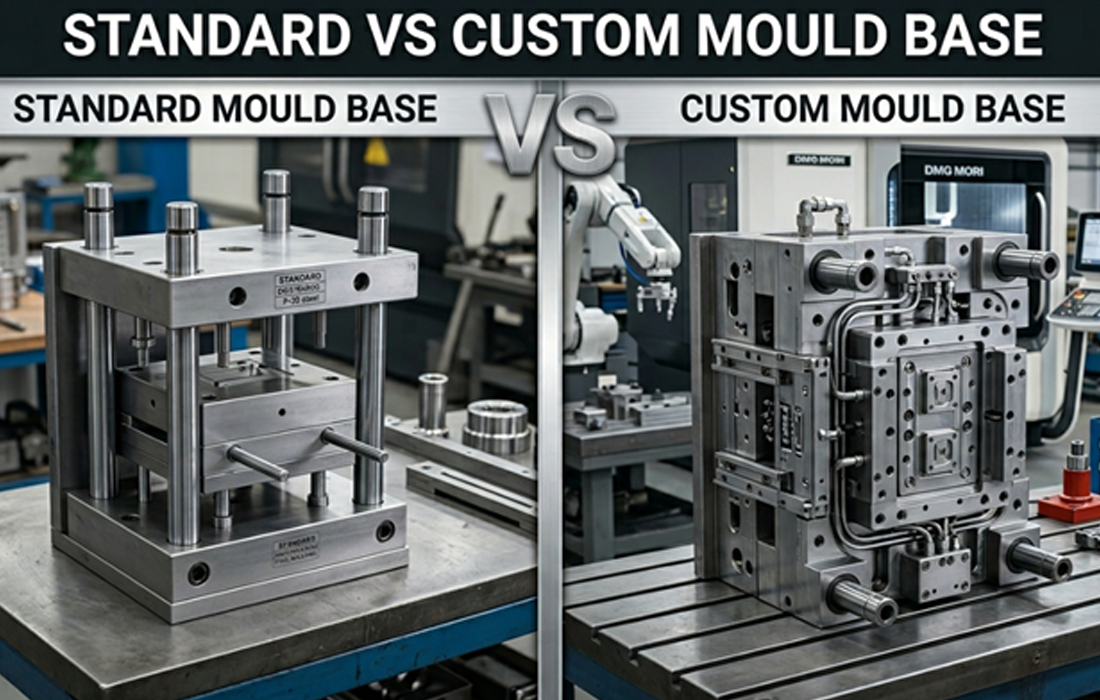
A standard mould base is a pre-designed and ready-made
structure used in mould manufacturing. It comes in fixed sizes and
specifications that are commonly used in the industry. These mould bases are
produced in bulk, so they are easily available in the market.
Manufacturers use standard mould bases when the product
design is simple and does not need special changes. Since the design is already
set, there is no need for extra planning or engineering work. This helps in
saving time and effort during production.
Standard mould bases are also cost-effective. Many companies
prefer them for regular production work because they reduce lead time and are
easy to replace if needed. These mould bases are widely used in general plastic
products and simple components.
A custom mould base is specially designed as per the product
requirement. It is not pre-made like a standard mould base. Every part of the
mould base is planned based on the size, shape, and complexity of the final
product.
Manufacturers choose a custom mould base when the design is
complex or when standard sizes do not fit the requirement. Engineers create the
design from scratch, which allows better control over accuracy and performance.
This makes it suitable for industries where precision is very important.
Custom mould bases take more time to produce and cost more
compared to standard ones. Still, they give better results in many cases
because they are made exactly for the job. These mould bases are commonly used
in automotive, medical, and high-precision components.
Both standard and custom mould bases are used in
manufacturing, but they serve different needs. The choice depends on product
design, budget, and production goals. Below are the main differences explained
in detail.
A standard mould base comes in fixed sizes and predefined
designs. It is made to match common industry requirements, so there is very
little scope for changes. This works well when the product design is simple and
does not need special adjustments.
A custom mould base is fully flexible in design. It is
created based on the exact dimensions and structure of the product. This allows
engineers to make changes as needed, which helps in handling complex shapes and
special requirements.
A standard mould base is budget-friendly. Since it is
produced in bulk, the cost is lower and more stable. This makes it a good
choice for companies that want to control expenses in regular production.
A custom mould base costs more because it involves design
work, planning, and special machining. Each unit is made as per requirement, so
the overall cost increases. Still, it can be worth it when the product needs
high accuracy.
A standard mould base is ready to use and easily available in
the market. This helps in starting production quickly without waiting for
design or manufacturing.
A custom mould base needs time for design approval,
manufacturing, and testing. This increases the lead time. It is not suitable
when there is an urgent production requirement.
A custom mould base offers better precision because it is
designed for a specific product. It supports proper alignment and smooth
functioning, which improves the overall performance of the mould.
A standard mould base provides good performance for general
use, but it may not match the same level of accuracy needed for complex
components.
A standard mould base is suitable for simple products and
high-volume production where design remains the same. It is widely used in
general manufacturing work.
A custom mould base is used in industries where design
complexity is high. It is common in automotive, medical, and precision
engineering applications where exact results are required.
A standard mould base is widely used in many industries
because it is simple and practical. Below are the main advantages explained in
detail.
A standard mould base is more affordable compared to a custom
mould base. It is manufactured in large quantities, which helps in reducing the
overall cost. This makes it a good option for businesses that want to manage
their budget without affecting basic production needs.
A standard mould base is easily available in the market in
different standard sizes. There is no need to wait for design or manufacturing.
This helps companies start production quickly and meet tight deadlines.
Since the mould base is already made, the time required to
begin the project is very less. This is useful for urgent orders or when
production needs to start without delay.
A standard mould base can be replaced easily if there is any
damage or wear. The parts are also easy to find, which makes maintenance simple
and less time-consuming.
A standard mould base works best for products with simple
designs and high production volume. It provides consistent performance in
routine manufacturing work.
A custom mould base is designed to match exact product
requirements. It is useful when standard options do not fit the design or
performance needs. Below are the main advantages explained in detail.
A custom mould base is created based on the exact size,
shape, and structure of the product. This helps in achieving better fitting and
smooth operation during production.
A custom mould base provides better control over dimensions
and alignment. This results in more accurate parts, which is important for
products that need tight tolerances.
A custom mould base supports complex and detailed product
designs. It allows proper placement of components, which helps in improving the
overall mould performance.
A custom mould base is designed to match the production
process. This reduces errors and helps in smooth workflow, which can save time
in the long run.
A custom mould base allows changes during the design stage.
This helps manufacturers adjust the mould as per product updates or specific
needs.
A standard mould base is commonly used in industries where
product design is simple and production volume is high. It is a practical
choice for regular manufacturing work. Below are some common applications
explained in detail.
A standard mould base is widely used in making daily-use
plastic items like containers, caps, and household products. These products
usually have simple designs, so standard sizes work well.
A standard mould base is used in packaging applications such
as bottles, lids, and boxes. Since these products are produced in large
quantities, a ready-made mould base helps in faster production.
A standard mould base is used to manufacture basic electrical
parts like switch covers, sockets, and small housings. These parts do not
require complex designs, so standard mould bases are suitable.
A standard mould base is used in producing simple engineering
components where high precision is not required. It helps in maintaining steady
production without extra cost.
A standard mould base is ideal for projects where the same
product is made in large numbers. It supports consistent output and reduces
setup time.
A custom mould base is used in industries where product
design is complex and precision is very important. It is suitable for special
applications where standard mould bases cannot meet the requirement. Below are
some common applications explained in detail.
A custom mould base is used in manufacturing automotive parts
like dashboards, panels, and engine components. These parts need high accuracy
and proper fitting, which is possible with a custom design.
A custom mould base is used for making medical devices and
components. These products require strict accuracy and quality standards, so a
custom mould base helps in achieving the required results.
A custom mould base is used in producing electronic housings
and small precision parts. These components often have complex shapes, so a
custom design is needed for proper structure and performance.
A custom mould base is used in aerospace applications where
precision and strength are critical. Even small errors can cause issues, so a
customized solution is required.
A custom mould base is used for unique industrial components
that have specific design requirements. It helps in producing parts that cannot
be made using standard mould bases.
Choosing between a standard mould base and a custom mould
base depends on your production needs, budget, and product design. Both options
are useful, but the right choice comes from understanding what your project
actually needs.
A standard mould base is a good option when the product
design is simple and does not need special changes. It works well for common
shapes and regular production. It is also suitable when the budget is limited,
as it helps in reducing overall cost. Many companies prefer it for high-volume
production because it is easily available and supports quick setup.
A custom mould base is better when the product has a complex
design or needs exact dimensions. It provides better accuracy and supports
detailed structures. It requires a higher investment, but it gives better
performance in cases where precision is important. It also takes more time to
manufacture, so it is suitable when there is enough time for planning and
production.
The final decision depends on your priority. If you need
quick production at a lower cost, a standard mould base is the right choice. If
your focus is on quality, precision, and complex design, then a custom mould
base is more suitable.
A standard mould base is more cost-effective because it is
mass-produced. A custom mould base costs more due to design and manufacturing
work.
You should choose a custom mould base when your product
design is complex or when you need high accuracy and special features.
A standard mould base is suitable for simple and regular
products. It may not work well for complex designs or high-precision
components.
Yes, a custom mould base takes more time because it is
designed and manufactured from scratch based on the requirement.
Both standard mould base and custom mould base have their own
importance in manufacturing. The right choice depends on what your production
needs are and how complex your product design is.
A standard mould base is a practical option for simple
products and regular production. It helps in saving cost and time, which makes
it suitable for many general applications. On the other hand, a custom mould
base is the right choice when precision, accuracy, and design flexibility are
important. It supports complex products and gives better performance in
specialized applications.
Before making a decision, it is important to check your budget, production volume, and design requirements. A proper choice can help in improving production efficiency and reducing issues during manufacturing.

The manufacturing industry uses many processes to make strong and accurate parts. Two of the most common methods are di...
Read More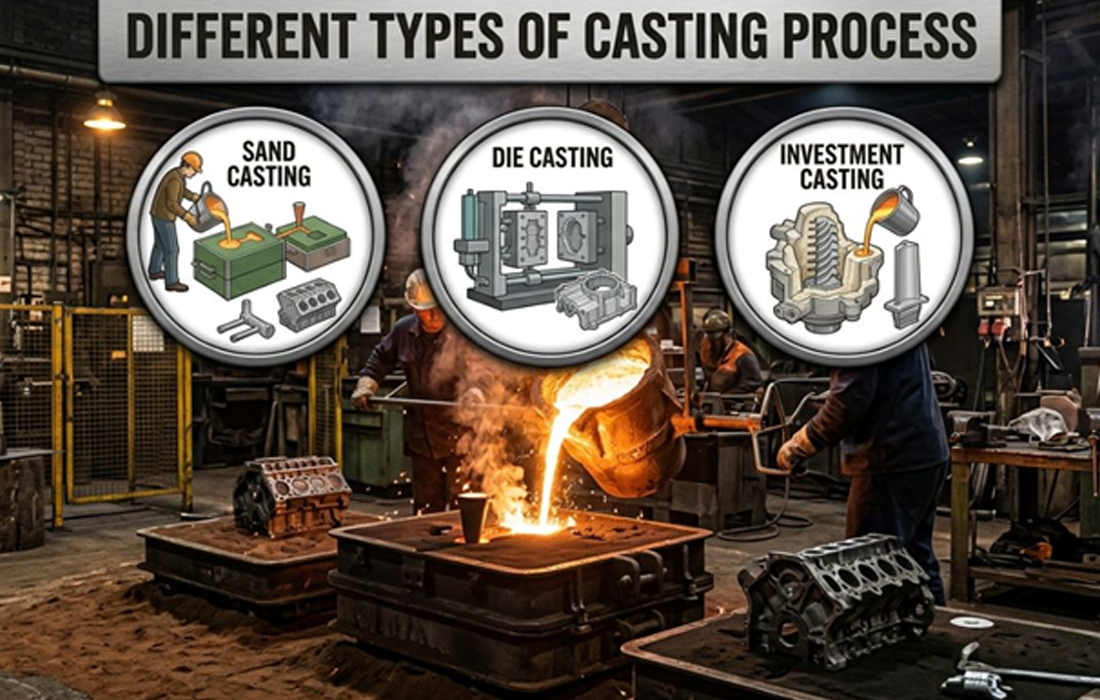
Casting is one of the oldest and most widely used manufacturing processes. It allows metal or other materials to be shap...
Read More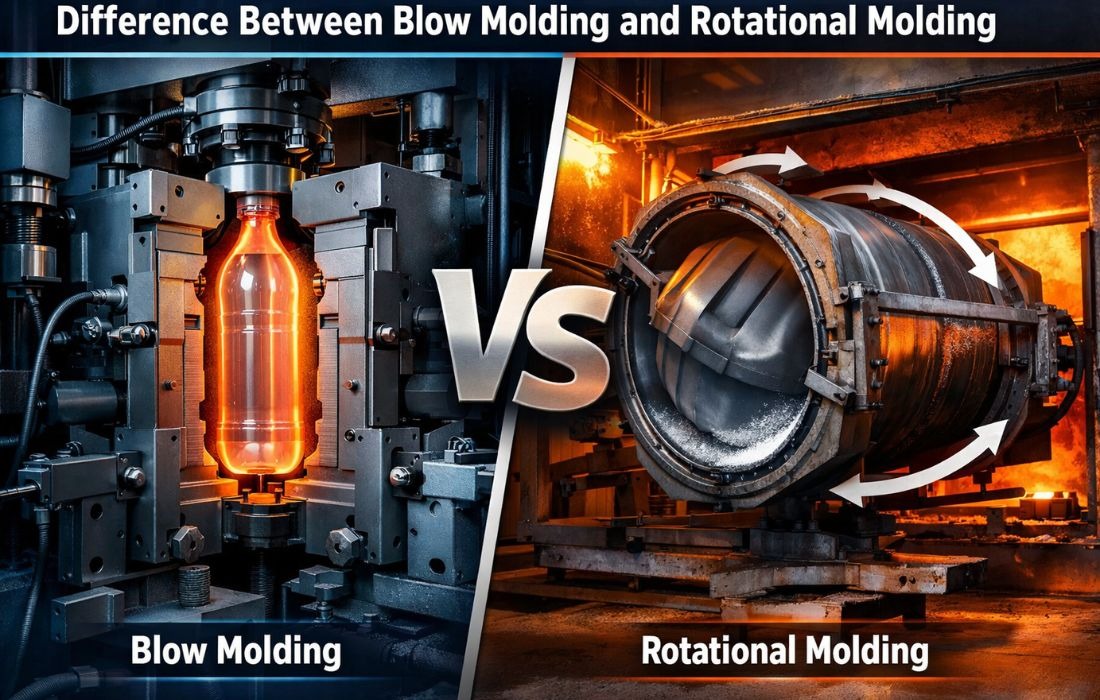
Blow molding and rotational molding are two common methods used to make plastic products. Many industries use these proc...
Read MoreManufacturing Unit 1 - Head Office (Dahisar)
14, Raju Industrial Estate, Penkar Pada Street, Near Dahisar Octroi Check Post, Post - Mira, Dist - Thana 401107ld Base
Manufacturing Unit 2 - Ambhai
Gut No. 113/1, Village Ambhai , Manor- Wada Highway, Taluka -Wada, Dist: Palghar, Maharashtra, India - 421 303
Manufacturing unit 3- Manor
Gut no.77/46,Aamgaon,Hamrapur P.O Manor Wada Highway, Tal. wada, Dist.Palghar -421303
© 2026 Kalyani Mould Base. All rights reserved.
Developed and Managed By - 