
March 11, 2026
Casting is one of the oldest and most widely used manufacturing processes. It allows metal or other materials to be shaped into complex forms that are difficult to produce by other methods. Industries like automotive, aerospace, and machinery rely heavily on casting for producing durable parts.
This guide will help you understand different types of casting processes, the steps involved, key parameters to monitor, and how casting is applied in various industries. By reading this, you can get a clear picture of how casting works from start to finish.
Casting is a process in which a material, usually metal, is melted and poured into a mold to take a specific shape. After the material cools and solidifies, the mold is removed, leaving the final product. This process allows manufacturers to create both simple and complex shapes that would be difficult to make with cutting or machining.
Casting is widely used in industries such as automotive, aerospace, construction, and machinery because it can produce parts with uniform size and strength. It also saves time and reduces waste compared to shaping material from a solid block. Different types of metals, plastics, and even ceramics can be cast, making the process very versatile.
The quality of a casting depends on factors like the type of material, mold design, temperature, and cooling rate. Proper control ensures that the final product has the right strength, surface finish, and durability for its intended use.
The casting process starts with creating a mold that matches the shape of the final product. The mold can be made from sand, metal, or other materials depending on the type of casting. Once the mold is ready, the raw material, often metal, is heated until it melts.
The molten material is then poured into the mold carefully to avoid defects. After pouring, it is left to cool and solidify. Once solid, the mold is removed, revealing the cast part. Some finishing processes like grinding, polishing, or heat treatment may follow to improve the part’s surface or strength.
Casting allows the production of parts with complex shapes and sizes in a cost-effective way. It is suitable for small-scale and large-scale production. The process is also flexible, as it can use different materials and mold types depending on the product requirements.
Casting has many types, each designed for specific needs, materials, and shapes. Here are ten main types explained in detail:
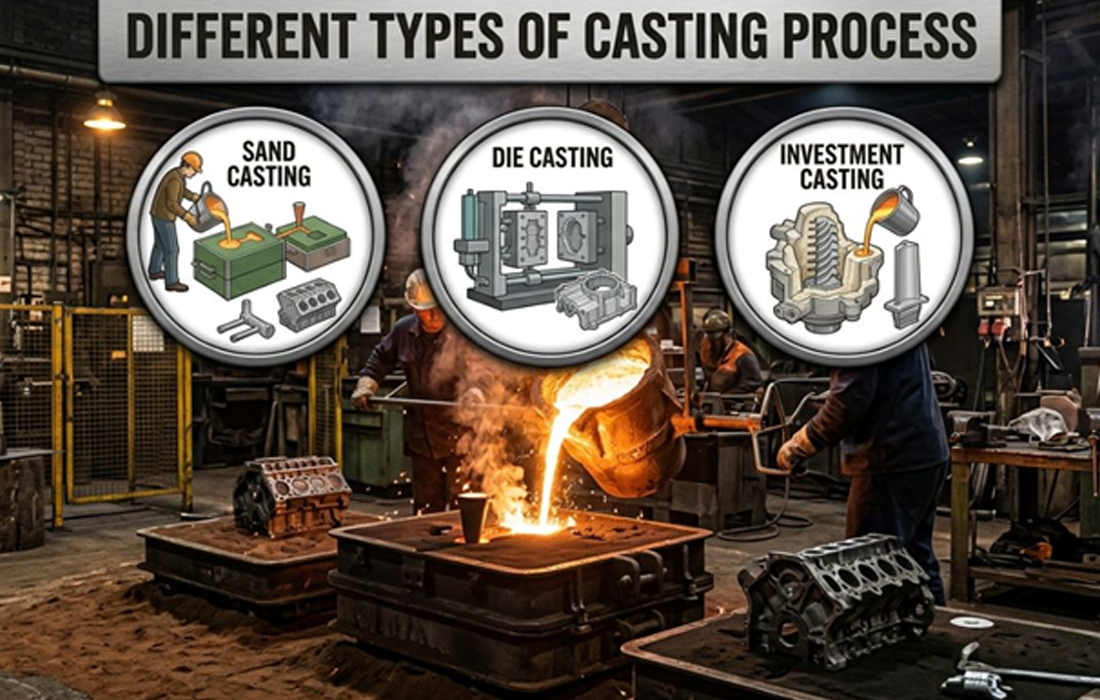
In sand casting, a mold is made using compacted sand. Molten metal is poured into this mold and allowed to solidify. It is suitable for large and heavy parts. Sand casting is cost-effective for small production runs and can handle complex shapes, but the surface finish is rough and may need further machining.
Die casting involves forcing molten metal into a steel mold under high pressure. It produces precise parts with smooth surfaces and tight tolerances. This method is ideal for mass production of small to medium-sized components, such as automotive and electronics parts.
Investment casting uses a wax model covered with ceramic material to make a mold. The wax is melted out, leaving a cavity for the molten metal. It is perfect for producing intricate shapes, fine details, and high-precision parts like jewelry, turbine blades, and medical instruments.
In centrifugal casting, the mold rotates rapidly while molten metal is poured inside. Centrifugal force spreads the metal evenly along the mold walls. This method reduces impurities and creates dense, strong parts, commonly used for pipes, cylinders, and rings.
Shell molding forms a mold by coating a pattern with a thin layer of sand and resin, which is baked to harden. Multiple layers build the final mold. This process gives excellent surface finish, high accuracy, and is suitable for small to medium parts with intricate details.
Permanent mold casting uses metal molds that can be reused multiple times. It gives better surface finish and dimensional accuracy compared to sand casting. It is commonly used for aluminum, magnesium, and copper alloys to make automotive parts and industrial components.
Continuous casting pours molten metal into a water-cooled mold, where it solidifies as it moves through the casting line. It is used to make rods, sheets, and billets continuously, increasing efficiency and reducing waste in steel and aluminum production.
Vacuum casting involves pouring molten metal into a mold under vacuum. This process reduces air bubbles and gas porosity, resulting in stronger and defect-free parts. It is used for precision components in aerospace, automotive, and electronics.
In this method, a liquid slurry of metal or ceramic is poured into a spinning mold. The centrifugal force compacts the material against the mold walls, creating uniform thickness and fine surface finish. It is commonly used for tubes, pipes, and rings.
Lost foam casting uses a foam pattern that is coated with refractory material. Molten metal is poured directly onto the foam, which vaporizes, leaving the cast shape. It allows complex geometries without cores and is used for engine blocks, machinery parts, and decorative items.
Casting production is a methodical process that turns raw materials into precise and functional parts. Following these steps carefully helps reduce errors, improve efficiency, and produce parts suitable for industrial use.
A pattern is created to represent the shape of the final product. It can be made from wood, metal, or plastic. The pattern accounts for shrinkage of the material as it cools. Accurate patterns are key for precise castings.
The mold is made using the pattern. Materials like sand, metal, or ceramic are used depending on the casting process. The mold forms the cavity where molten material will be poured. Proper mold design prevents defects.
The selected material, usually metal, is heated in a furnace until it melts. Maintaining the correct temperature ensures smooth pouring and avoids weak spots or cracks.
Molten metal is poured carefully into the mold cavity. Proper technique reduces turbulence and air pockets. Uneven pouring can cause defects and weaken the final product.
The molten metal cools and solidifies inside the mold. Cooling rate affects strength, density, and microstructure of the casting. Some processes may use controlled cooling for better results.
Once solidified, the mold is removed. In sand casting, the mold is broken to extract the part. In permanent molds, it is opened carefully. This step must be done without damaging the casting.
The casting is cleaned to remove any mold material, sand, or scale. Additional processes like grinding, polishing, or heat treatment improve surface finish and mechanical properties.
The final casting is inspected for defects, dimensions, and material quality. Non-destructive tests like X-ray, ultrasonic, or dye penetrant methods are used for critical parts.
Several factors affect the quality and strength of a casting. Controlling these parameters ensures that the final product meets its required standards. The main parameters include:
The type of metal or alloy used affects strength, hardness, and durability. Choosing the right material for the intended application is critical for performance.
The shape, size, and material of the mold influence how the molten metal flows and solidifies. Proper mold design prevents defects like porosity, shrinkage, or warping.
Maintaining the correct temperature of the molten material ensures smooth flow and complete filling of the mold. Too high or low temperature can cause cracks, gas porosity, or weak parts.
The rate at which the metal cools affects its microstructure and mechanical properties. Controlled cooling can increase strength and reduce internal stresses.
Time required for the molten material to solidify is important. Slow solidification may lead to coarse structures, while too fast solidification can cause cracks or incomplete filling.
Proper channels for molten metal and air escape in the mold ensure smooth filling. Poor venting can cause air pockets and surface defects in the casting.
The choice of mold material and any coatings affects surface finish, heat transfer, and ease of mold removal. Good mold materials prevent sticking and reduce finishing work.
Casting is used widely across industries because it allows the production of complex, strong, and precise parts. Here are the main applications in detail:
Casting is essential in automotive manufacturing. Parts like engine blocks, cylinder heads, brake components, and transmission housings are made using casting. The process ensures these parts are strong enough to handle heat, pressure, and continuous mechanical stress. It also allows complex shapes that reduce the need for assembly of multiple components.
Aerospace components require high precision and strength while being lightweight. Casting is used for turbine blades, structural parts, and landing gear. High-performance alloys can be cast into intricate designs that are difficult to achieve by machining. This helps reduce weight and improve fuel efficiency without compromising durability.
Pipes, valves, pumps, and heavy machinery components in construction are often cast. Large parts with irregular shapes can be produced efficiently using sand or permanent mold casting. The durability and strength of cast components make them suitable for heavy loads and harsh environmental conditions.
Gears, housings, and other machinery parts are commonly produced through casting. The method ensures that parts can withstand mechanical stress, vibrations, and wear over time. Casting also allows the use of strong alloys, making industrial machines reliable and long-lasting.
Casting is widely used in making jewelry, statues, and decorative items. Investment casting (lost-wax method) allows precise detailing and smooth finishes. This method produces delicate shapes that would be impossible to achieve with traditional cutting or forging techniques.
Casting is used to create parts and products with complex shapes that are difficult or expensive to make using other methods. It helps produce strong, precise, and consistent components.
Metals like iron, aluminum, steel, and copper are commonly used. Plastics, ceramics, and certain alloys can also be cast depending on the process and application.
Sand casting uses a disposable sand mold, suitable for large and complex shapes but with rougher surfaces. Die casting uses a reusable metal mold, producing smooth, precise parts ideal for mass production.
Casting is inspected for defects, dimensions, and material properties. Methods like visual inspection, X-ray, ultrasonic testing, or pressure testing are used to ensure reliability.
The cooling rate affects the metal’s structure, strength, and density. Controlled cooling produces stronger parts and prevents cracks, shrinkage, or other defects.
Casting is a versatile manufacturing process used to produce strong, precise, and complex parts. By choosing the right type of casting and controlling key parameters like material, mold design, temperature, and cooling, industries can create durable products efficiently.
From automotive engines to aerospace components and decorative items, casting plays a vital role in modern manufacturing. Understanding the process, its steps, and applications helps ensure high-quality results and reduces production errors.

The manufacturing industry uses many processes to make strong and accurate parts. Two of the most common methods are di...
Read More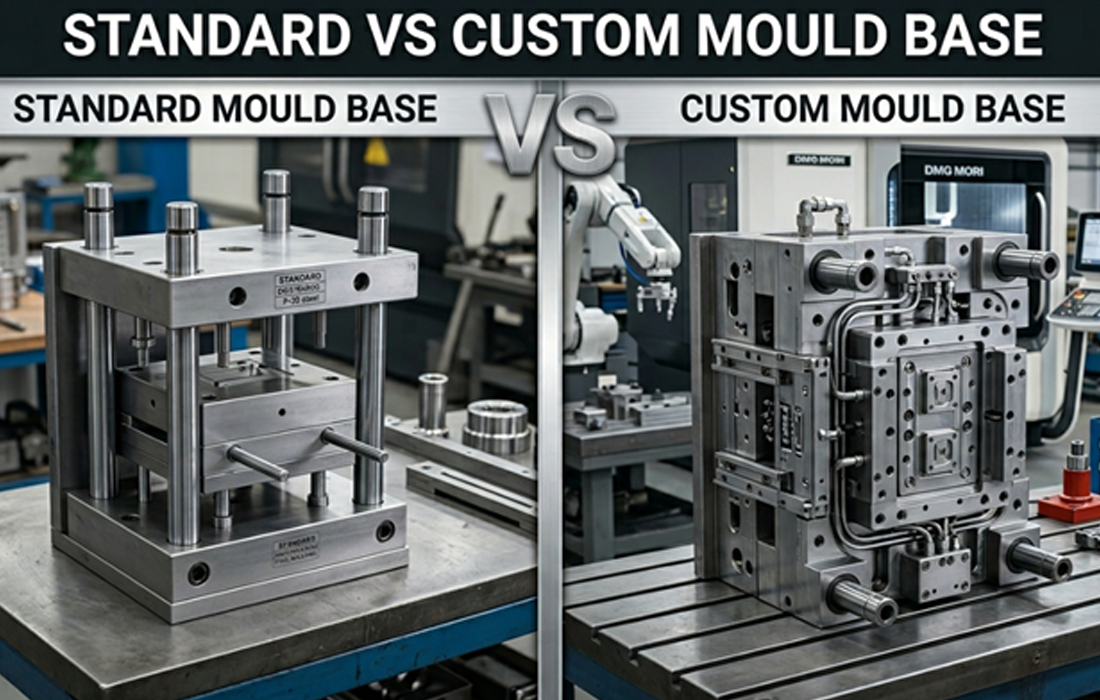
A mould base is the main structure that supports a mould in manufacturing. It holds all the important parts together an...
Read More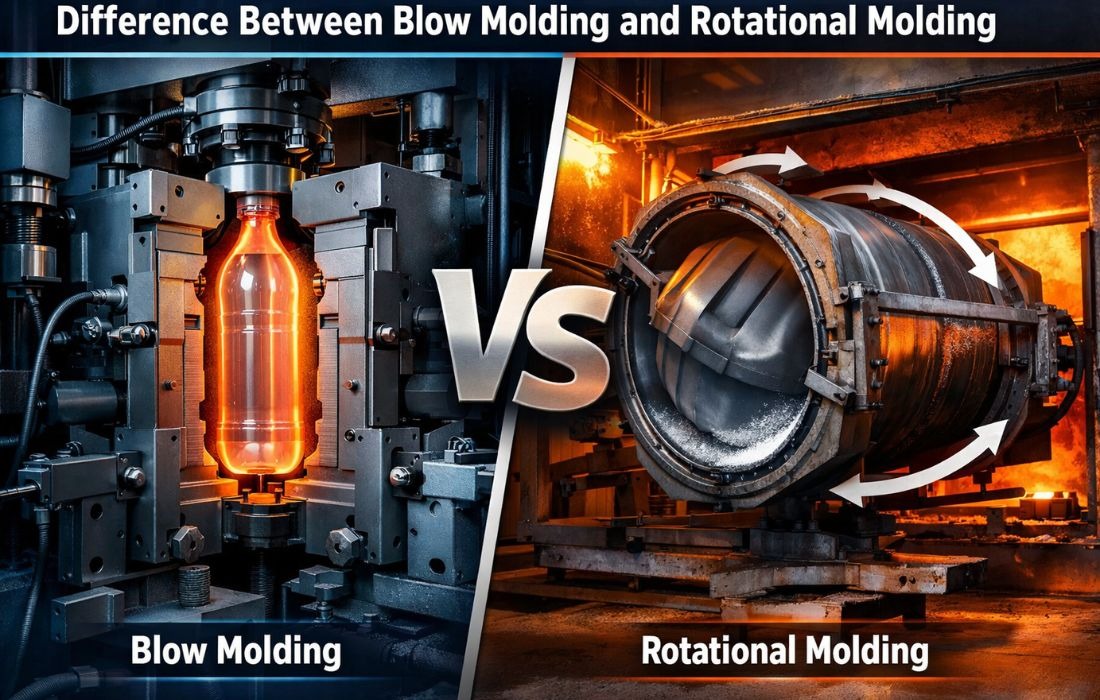
Blow molding and rotational molding are two common methods used to make plastic products. Many industries use these proc...
Read MoreManufacturing Unit 1 - Head Office (Dahisar)
14, Raju Industrial Estate, Penkar Pada Street, Near Dahisar Octroi Check Post, Post - Mira, Dist - Thana 401107ld Base
Manufacturing Unit 2 - Ambhai
Gut No. 113/1, Village Ambhai , Manor- Wada Highway, Taluka -Wada, Dist: Palghar, Maharashtra, India - 421 303
Manufacturing unit 3- Manor
Gut no.77/46,Aamgaon,Hamrapur P.O Manor Wada Highway, Tal. wada, Dist.Palghar -421303
© 2026 Kalyani Mould Base. All rights reserved.
Developed and Managed By - 