

March 24, 2026
The manufacturing industry uses many processes to make strong and accurate parts. Two of the most common methods are die casting and injection moulding. Both are used to create products in large quantities, but the way they work and the materials they use are very different.
Die casting mainly works with metals, while injection moulding is mostly used for plastics. Because of this, each process is suitable for different types of products and industries. Many people get confused between these two because both use moulds to shape the material.
In this blog, we will explain the difference between
die casting and injection moulding in a simple way. You will understand how
each process works, their features, benefits, and where they are used. This
will help you choose the right method based on your needs.
Die casting is a manufacturing process used to make metal
parts by forcing molten metal into a mould under high pressure. This mould is
also called a die, and it is usually made from strong steel so it can handle
high heat and pressure.
In this process, metals like aluminium, zinc, or magnesium
are melted and injected into the die cavity. After cooling, the metal takes the
exact shape of the mould. Once it solidifies, the part is removed and can be
used with very little finishing work.
Die casting is mainly used when there is a need for strong,
durable, and accurate metal components. It is widely used for making parts that
require a smooth surface and tight dimensions.
Die casting is known for its speed and accuracy. Below are
some important features:
●
High-pressure process: Molten metal is pushed into the
mould with strong pressure
●
Metal-based production: Mostly used with aluminium, zinc,
and magnesium
●
Precision output: Parts come out with exact shape and size
●
Reusable dies: Same mould can be used many times
● Fast production cycle: Suitable for large quantity
manufacturing
Die casting is widely used because it gives strong and
reliable results:
●
Accurate Dimensions: Parts are made with tight tolerance,
which means better fitting and less error.
●
Smooth Surface Finish: Finished parts usually do not need
extra polishing or machining.
●
Less Material Waste: The process uses metal efficiently,
which helps reduce overall cost.
●
Strong and Durable Parts: Products made through die casting can
handle pressure, heat, and long-term use.
● Suitable for Mass Production:
Large
quantities can be produced in less time without losing quality.
Die casting is used in many industries where metal strength
is important:
●
Automobile Industry: Engine parts, gearbox housings,
brackets
●
Electronics: Heat sinks, device covers, connector housings
●
Industrial Equipment: Machine parts, tools, heavy-duty
components
●
Lighting Industry: LED housings and fixtures
● Consumer Products: Handles, locks, and hardware
items
Injection moulding is a manufacturing process used to make
plastic parts by injecting melted material into a mould. This method is widely
used for producing lightweight and complex shapes in large quantities.
In this process, plastic granules are heated until they melt.
The melted material is then pushed into a mould cavity under pressure. After
cooling, the material becomes solid and takes the exact shape of the mould. The
final product is then removed and is ready to use or needs very little
finishing.
Injection moulding is mainly used for plastic products that
require detailed design, smooth finish, and high production volume. It is
common in industries like packaging, electronics, and household products.
●
Uses plastic or polymer materials
●
Melted material is injected into a mould
●
Suitable for complex and detailed shapes
●
High repeat accuracy in production
● Ideal for mass production
●
Flexible Design Options: It supports complex shapes and
detailed designs with ease.
●
Cost Effective for Bulk Production: Best choice when large quantities are
required at lower cost per unit.
●
Fast Production Speed: Cycle time is short, which helps in
quick manufacturing.
●
Lightweight Products: Plastic parts are lighter compared to
metal parts.
● Easy to Scale Production: Production can be increased
without major changes in setup.
●
Packaging Industry: Bottles, containers, caps
●
Electronics: Plastic covers, mobile parts, connectors
●
Automotive: Interior components, dashboards, panels
●
Medical Equipment: Syringes, plastic tools, containers
● Household Products: Buckets, toys, kitchen items
Both die casting and injection molding are used for
mass production, but they are quite different in terms of material, process,
and end use. Below is a clear comparison to help you understand:
Die casting mainly works with metals such as aluminium, zinc, and
magnesium. These metals are melted at high temperature before being used in the
process.
Injection moulding, on the other hand, uses plastic
materials like ABS, polypropylene, and polyethylene. This is the biggest
difference because it directly affects the strength, weight, and use of the
final product.
In die casting, molten metal is forced into a steel
mould under very high pressure. Once the metal cools down, it becomes solid and
takes the exact shape of the mould.
In injection moulding, plastic granules are heated until they melt
and are then injected into the mould. After cooling, the plastic solidifies
into the required shape.
Die casting produces parts that are strong, rigid, and
long-lasting. These parts can handle high pressure, heat, and rough usage.
Injection moulding produces plastic parts which are not
as strong as metal, but they are good enough for daily-use products. These
parts are more flexible and less likely to break under small impact.
Die casting provides a clean and smooth metal surface, which
often needs very little finishing work. It also gives a solid and premium look.
Injection moulding also offers a smooth finish, but it
has an added advantage of design variety. Different textures, colors, and
patterns can be easily added during the process.
Die casting is a fast process and works well for bulk production,
but cooling metal takes slightly more time.
Injection moulding is faster in comparison because
plastic cools quickly. This makes it a better option when very high production
speed is required.
Die casting involves higher initial cost because of expensive
metal materials and strong moulds. It is more suitable when strength is
important and production volume is high.
Injection moulding has a lower cost per unit,
especially in large quantities. Plastic materials are cheaper, which makes this
process budget-friendly for mass production.
Die casting has some limitations when it comes to complex shapes,
as metal flow and cooling need to be controlled carefully.
Injection moulding allows more freedom in design. It
can easily produce complex shapes, thin walls, and detailed patterns without
much difficulty.
Parts made through die casting are heavier because they are
made from metal. This makes them suitable for applications where weight and
strength are important.
Injection moulding produces lightweight parts, which
are easy to handle, transport, and use in daily products.
Die casting is commonly used in industries like automotive,
industrial machinery, and hardware where strong metal parts are required.
Injection moulding is widely used in packaging,
electronics, medical items, and household products where lightweight and
cost-effective parts are needed.
|
Basis |
Die
Casting |
Injection
Moulding |
|
Material
Used |
Metals
like aluminium, zinc, magnesium |
Plastics
and polymers |
|
Process
Type |
Molten
metal is injected under high pressure |
Melted
plastic is injected into mould |
|
Strength |
Produces
strong and durable parts |
Produces
lightweight parts |
|
Surface
Finish |
Smooth
and high-quality finish |
Smooth
finish with design flexibility |
|
Production
Speed |
Fast,
but slightly slower than plastic moulding |
Very
fast production cycle |
|
Cost |
Higher
initial cost due to metal and tooling |
Lower
cost for large volume plastic parts |
|
Design
Complexity |
Limited
compared to plastic |
Supports
complex and detailed designs |
|
Weight
of Product |
Heavier
parts |
Lightweight
parts |
|
Applications |
Automotive,
machinery, hardware |
Packaging,
electronics, household items |
Both die casting and injection moulding use different types
of moulds based on the material, design, and production needs.
Die casting uses strong metal moulds that can handle high
pressure and temperature. These moulds are designed for long-term use.
●
Single Cavity Die: This type of mould produces one part in one cycle. It
is used when the focus is on quality and precision rather than quantity.
●
Multi Cavity Die: This mould produces multiple identical parts in a
single cycle. It helps increase production speed and is useful for bulk
manufacturing.
●
Combination Die: A combination die can produce different parts at the
same time. It is useful when multiple components are needed together.
●
Hot Chamber Die Casting Mould: Used for metals with low melting
point like zinc. The injection system is built inside the machine, which makes
the process faster.
● Cold Chamber Die Casting
Mould: Used
for metals like aluminium that have higher melting points. The molten metal is
poured into the chamber before injection.
Injection moulding uses moulds designed mainly for plastic
materials. These moulds are made with high precision for detailed designs.
●
Single Cavity Mould: Produces one plastic part per cycle.
It is used for simple and low-volume production.
●
Multi Cavity Mould: Produces multiple parts in one cycle.
It improves efficiency and reduces production time.
●
Family Mould: This mould produces different parts in one cycle. It is
useful when multiple related components are needed together.
●
Hot Runner Mould: Keep the plastic in melted form inside the system. It
reduces material waste and improves production speed.
● Cold Runner Mould: Uses channels to guide melted
plastic into the mould. It is simple in design but may create some material
waste.
Choosing between die casting and injection moulding depends
on your product requirement, material choice, and budget. Both processes are
widely used in manufacturing, but each one fits different types of
applications.
Die casting is a good option when you need strong and durable
metal parts. This process is suitable for products that must handle pressure,
heat, and long-term use. It is commonly used in industries like automotive and
machinery where strength and accuracy are important. The initial cost can be
higher, but it works well for large production where quality and consistency
matter.
Injection moulding is a better choice when you need
lightweight and cost-effective plastic products. It is ideal for designs that
require complex shapes, fine details, and smooth finish. This process is widely
used in packaging, electronics, and household products. Production speed is
also faster, which helps in making large quantities in less time.
The final decision depends on what your product needs. If
strength and metal are your priority, die casting is the right choice. If you
need flexible design and lower cost with plastic material, injection moulding
is more suitable.
No, injection molding and casting are different processes.
Injection molding uses plastic materials, while casting usually involves metals
or other liquid materials.
Die casting is a process used to shape metal, so it is not a
direct comparison. If you need strong and ready-to-use metal parts, die casting
is a good option.
Injection molding is also called plastic injection molding or
injection moulding process.
Die casting and injection moulding are both important
manufacturing processes used for different purposes. Each method has its own
benefits based on the material, design, and use of the final product.
Die casting is suitable for making strong and durable metal
parts that need high accuracy and long life. Injection moulding works best for
lightweight plastic products that require detailed design and fast production.
Understanding the difference between die casting and injection moulding helps in making the right choice for your project. The final decision should always depend on your product needs, budget, and production volume.
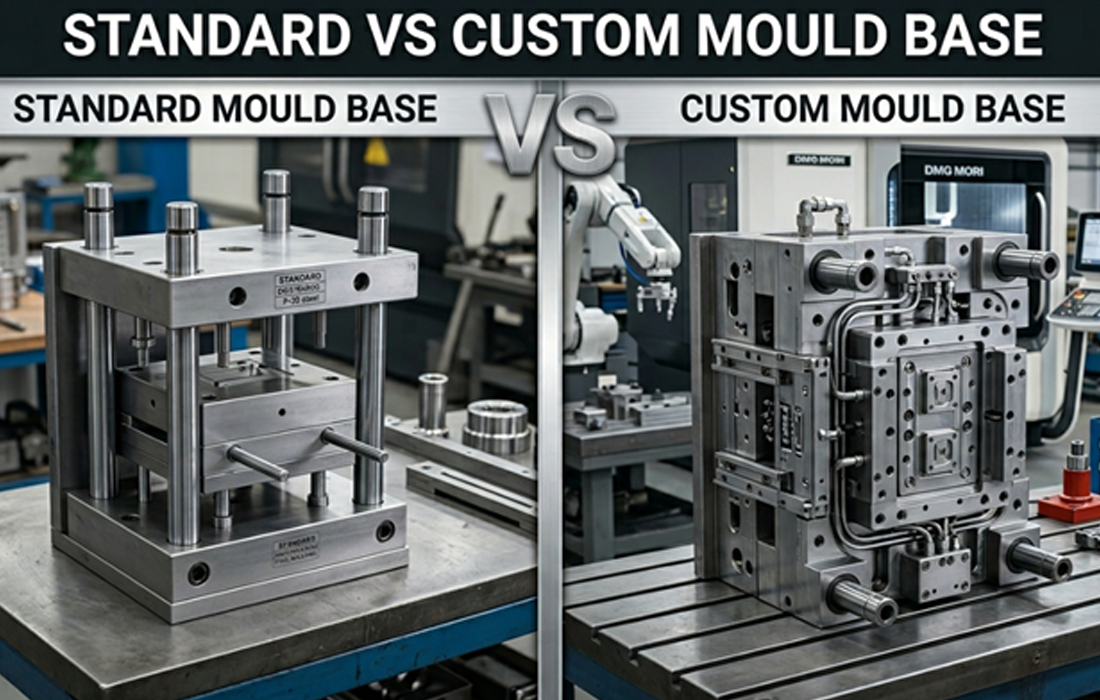
A mould base is the main structure that supports a mould in manufacturing. It holds all the important parts together an...
Read More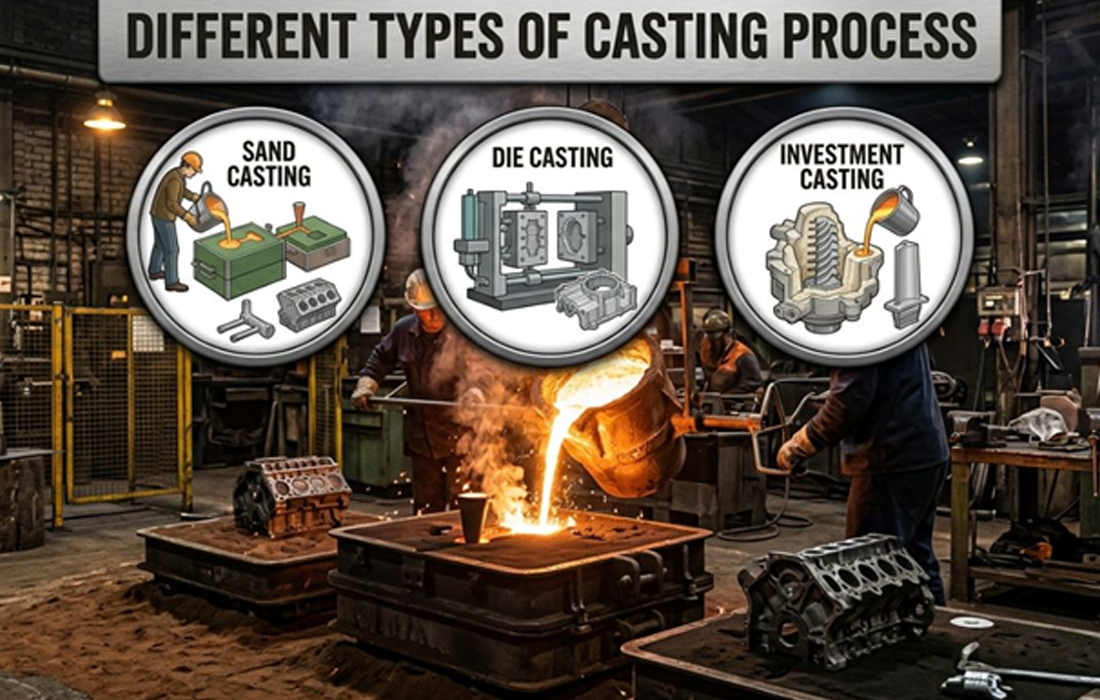
Casting is one of the oldest and most widely used manufacturing processes. It allows metal or other materials to be shap...
Read More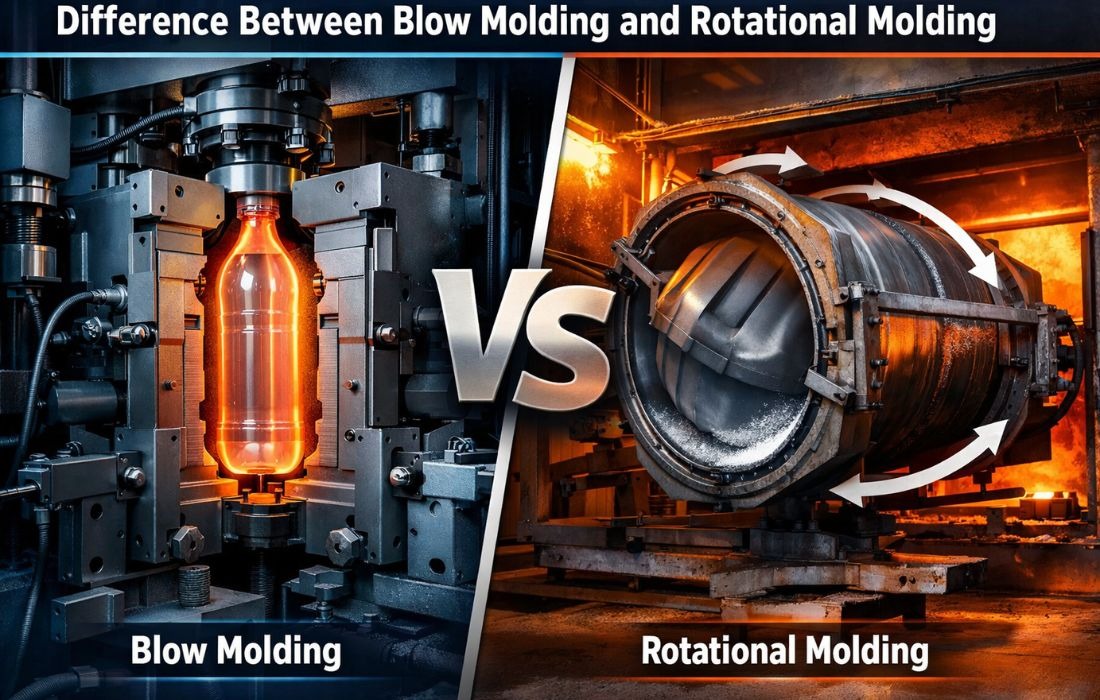
Blow molding and rotational molding are two common methods used to make plastic products. Many industries use these proc...
Read MoreManufacturing Unit 1 - Head Office (Dahisar)
14, Raju Industrial Estate, Penkar Pada Street, Near Dahisar Octroi Check Post, Post - Mira, Dist - Thana 401107ld Base
Manufacturing Unit 2 - Ambhai
Gut No. 113/1, Village Ambhai , Manor- Wada Highway, Taluka -Wada, Dist: Palghar, Maharashtra, India - 421 303
Manufacturing unit 3- Manor
Gut no.77/46,Aamgaon,Hamrapur P.O Manor Wada Highway, Tal. wada, Dist.Palghar -421303
© 2026 Kalyani Mould Base. All rights reserved.
Developed and Managed By - 